Walk into any basement, garage, or utility closet and you will find the unrecognized nerve center of the house mounted on a wall: the electrical panel. It never calls attention to itself up until a breaker journeys throughout dinner or a renovation forces you to unlock and make sense of the labels. I have actually opened numerous panels throughout the years, from tidy modern load centers to vintage circuit box with hand-written notes and a watercolor of dust. As soon as you know what you are taking a look at, the electrical panel stops sensation challenging and begins acting like what it is, a logical distribution system with clear function and limits.
What the panel in fact does
Your electrical service stems at the utility transformer. Through service conductors, it reaches your meter, then continues to the main disconnect, frequently integrated into the panel. From there, the panel divides that incoming power into branch circuits that feed lighting, receptacles, home appliances, HEATING AND COOLING, and whatever else you count on. Consider it as an organized switchyard. The panel's job is threefold: distribute power, secure circuitry, and offer a safe ways to detach circuits for service or emergencies.
Protection matters. Wires do not stop working with dignity. If a circuit is overloaded or harmed, present rises and heat follows. Breaker and merges limit the maximum present to what the downstream conductors can handle, which prevents insulation breakdown and fire. Ground-fault and arc-fault defense add layers that attend to particular risks, such as existing dripping to ground through a person, or arcing in harmed cords or loose connections.
A tour of the panel, piece by piece
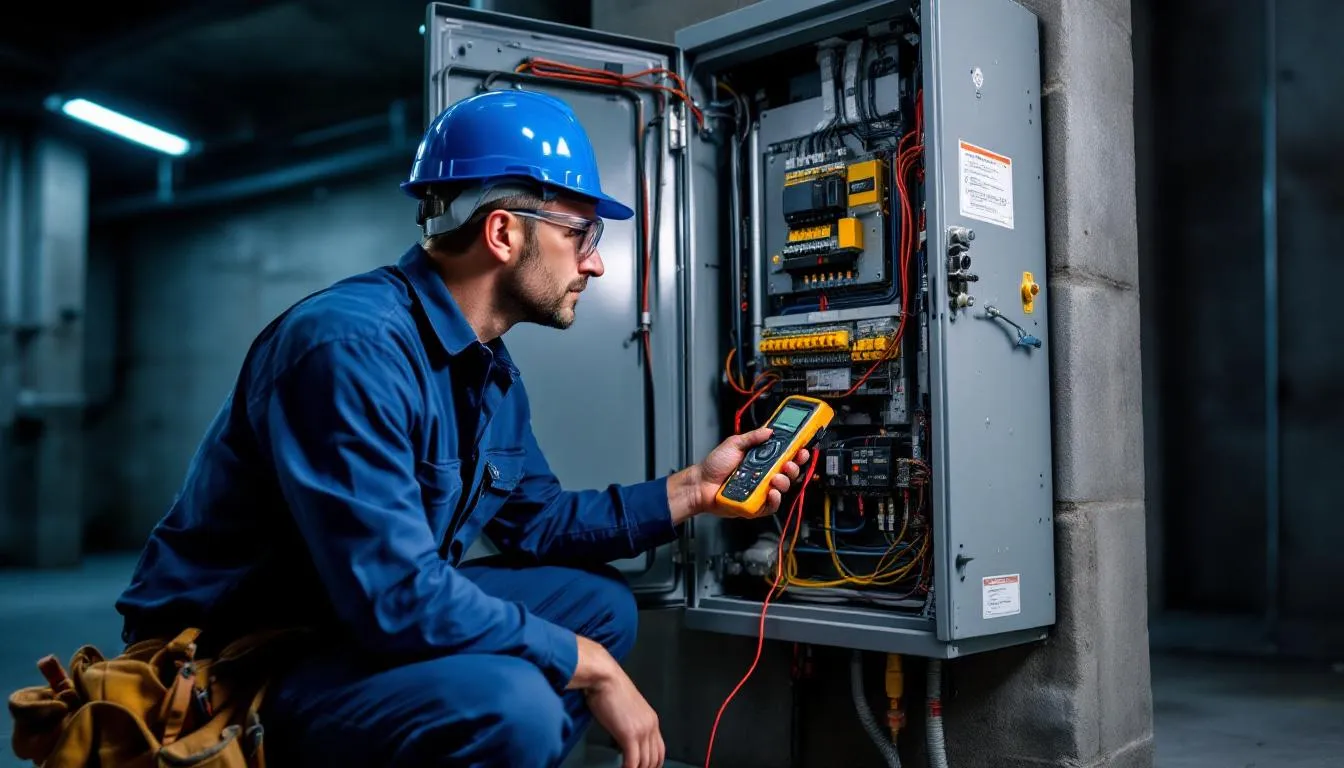
Most domestic panels share a common anatomy, even if the trademark name differ. Open the door and you'll see the breaker deals with. Get rid of the dead front cover and you'll expose the bus bars and terminations. That cover is not ornamental. It supplies a barrier between you and live parts. If you have not worked inside a panel in the past, stop at the door. Visual checks, labeling, and breaker operation are great for property owners. Anything involving the dead front removal, conductor terminations, or bus examination belongs to a licensed electrician.
Behind the cover, three components specify the panel's structure: the primary lugs or primary breaker that receive inbound service, the energized bus bars that feed the breakers, and the neutral and devices grounding bus bars that return current and bond metal enclosures. Together, these handle how current enters, flows, and securely returns.
Service entryway and main disconnect
In most single-family homes in North America, the energy provides a 120/240 volt split-phase service. Two hot conductors show up along with a neutral. The 2 hots are 180 degrees out of phase, which provides you 240 volts between them and 120 volts between either hot and neutral. Those hot conductors arrive at either a main breaker or main lugs at the top of the panel. The primary breaker is your master shutoff. Toss it off and you de-energize all downstream branch circuits, although the service conductors above it stay live unless there is a different outside detach. In townhomes and some areas, the primary service disconnect might be outside near the meter, with a panel inside your home that has no primary breaker, called a primary lug panel.
Current rating matters here. Typical residential services range from 60 amps in older homes to 100, 150, 200, or 400 amps in more recent or larger homes. The bulk sit at 200 amps, which supports EV charging, electric ranges, and heatpump without pushback. The main breaker's score and the panel's listing must match the service conductors and meter base ranking. For many years I've discovered panels where the breaker looked large for the feeder, a red flag that generally dates back to an amateur upgrade. It is not a place to guess.
Bus bars: the heart of distribution
Below the primary breaker, thick metal bars called buses diminish the panel. Branch breakers clip onto these. In a split-phase system, the bus stabs alternate between the 2 hot legs, which is why a two-pole breaker that spans 2 adjacent slots picks up both legs to provide 240 volts. The bus bars are typically tin-plated copper or aluminum. Aluminum prevails in quality panels and completely appropriate when sized properly. Corrosion shows up as whitening or pitting, especially where water intrusion has taken place, such as a meter socket that leakages into the panel via the service raceway.
A harmed bus can trigger periodic power, annoyance tripping, or burned breaker clips. If a breaker feels loose when you install it, or you see staining around a specific stab, stop and call a pro. Replacement of a bus or a panel swap can be the distinction in between a fix and a fire.
Neutral and equipment grounding bars
The neutral bus collects the grounded conductors returning current from 120 volt loads. The equipment grounding bus collects bonding conductors that connect non-current-carrying metal parts to ground, clearing faults when a hot contacts a metal enclosure. In the service disconnect enclosure, neutral and ground are bonded. In all downstream subpanels, neutral and ground needs to be separated. That separation breaks "objectionable present" from streaming on metal parts. I have actually seen subpanels with the neutral bonding screw still installed from the factory, which suggests every home appliance chassis becomes a parallel return course. The signs are subtle humming in audio equipment and the occasional tingle from a metal cabinet. The cure is basic: remove the bonding screw and install a separated neutral bar, then offer a different devices grounding bar bonded to the can.
Breakers by type and what they protect against
Circuit breakers are not all alike. The familiar single-pole breakers safeguard 120 volt circuits. Two-pole breakers protect 240 volt loads and multiwire branch circuits that share a neutral. Specialized breakers, such as GFCI and AFCI, include defense functions now required in numerous locations of a home. Comprehending which is which matters when you renovate, add a circuit, or repair problem trips.
Standard thermal-magnetic breakers respond to overloads and brief circuits. The thermal element bends under continual heat from current, tripping on overload. The magnetic component reacts nearly quickly to a brief. They do not find leakage to ground or arcing events that do not go beyond the breaker's amperage rating.
Ground-fault circuit interrupters keep track of the distinction in between existing on the hot and the neutral. If even a few milliamps go missing out on, often into an individual or a wet surface area, they journey. You will discover them securing bathrooms, cooking areas, garages, basements, outdoor receptacles, and significantly, laundry circuits. They can live either in the receptacle itself or as a GFCI breaker in the panel. I choose breaker-based GFCI for circuits feeding multiple downstream locations or outdoor receptacles where weathered gadgets are most likely to trigger annoyance journeys. Receptacle-based GFCIs are handy for separated areas and easy homeowner resets.
Arc-fault circuit interrupters respond to characteristic existing signatures of arcing faults, which happen at loose connections and in damaged cords. Bedrooms were the first rooms to require AFCI protection. With time, the requirement expanded to most habitable rooms, showing information on fires. Combination-type AFCI breakers detect both parallel and series arcs. They are delicate to motor start-up sound and some dimmer loads, though modern designs have actually improved filtering. When an AFCI trips periodically, I start with an in-depth walkthrough of the circuit, tug on every wirenut, and examine staples for overdriven nails crushing cable television jackets. Oftentimes, poor terminations, not the breaker, are the culprit.
Some breakers combine both service panel upgrade innovations. Dual-function breakers provide GFCI plus AFCI defense in one system, helpful where code requires both. They cost more, but they simplify circuitry and labeling.
The function of labels and documentation
The within the panel door ought to inform the story of your home. Clear labels conserve time throughout emergencies and repairs. A succinct directory with plain language beats unclear notes. "Kitchen little devices" is better than "cooking area." "South bed room outlets" tells you more than "bedroom." Include the amperage and any special features, such as "laundry - 20A - GFCI." If you redesign, upgrade the directory site. I bring a fine-tip long-term marker and label breakers as I test each circuit with a plug-in lamp or a toner. At resale, appraisers and inspectors discover good paperwork. More importantly, paramedics and firefighters can cut power to a troublesome area without groping through guesses.
Load computation and panel capacity
Homeowners typically ask if their electrical panel can deal with an EV battery charger, a hot tub, or a kitchen upgrade. The appropriate answer begins with a load computation, not a gut feeling. Rules differ by jurisdiction, however a standard method summarize general lighting and receptacle load based on square video footage, then includes set appliances, HVAC, and any continuous loads, such as EV charging. Need aspects recognize that not whatever runs at once. When I run numbers for a normal 2,000 square foot home with electric variety, electric dryer, gas heat, and a 40 amp EV charger, a 200 amp service generally passes with margin. If you have electric heat or multiple big a/c compressors, capability gets tight.
Look at your panel's breaker areas too. Even if your service has extra amperage, you need slots to land new breakers or the ability to use listed tandem breakers where permitted. Not every panel enables tandems. The labeling inside will specify where and the number of. Overstuffing with unlisted gadget types or cheater tandems prevails in older homes. It causes heat buildup and bad contact pressure. If space is gone and demand is going up, a subpanel or a service upgrade is the proper path.
Subpanels: when and why
A subpanel is a smaller panel fed from the main panel via a feeder breaker. They work near workshops, removed garages, additions, or anywhere you require localized circulation. A tidy subpanel install isolates neutrals from premises, uses four-wire feeders for 120/240 volt service, and includes a regional grounding electrode system if in a detached building. I have actually remedied numerous removed garage panels that were fed with three wires and bonded neutrals. It looks safe till a fault stimulates metal surface areas. The fix is to pull a four-conductor feeder, separate the buses, and bond to brand-new ground rods at the outbuilding.
Sizing the feeder depends upon the expected load, not always the full score of the subpanel. It prevails to install a 100 amp subpanel however feed it with a 60 amp breaker and properly sized conductors. The panel's rating is a maximum, not a requirement. Bigger panels offer you area to grow without requiring thicker feeders today.
Aluminum wiring, copper conductors, and terminations
Older homes sometimes have aluminum branch-circuit wiring, distinct from aluminum feeders and service conductors which stay typical and safe when set up correctly. Branch-circuit aluminum from the 1960s and 1970s has a history of connection failures due to creep and oxidation. If you presume it, eliminate a receptacle and look. Aluminum conductors are silvery, copper is copper-colored. Removal options consist of Al/Cu rated gadgets with correct torque, pigtailing with authorized ports, or a rewiring strategy focused on by threat. For any aluminum terminations, utilize gadgets and lugs listed for AL or AL/CU, apply antioxidant substance where specified, and torque to producer worths. Loose terminations generate heat. I use an adjusted torque screwdriver on panels, due to the fact that a quarter turn can be the distinction between tight adequate and a burned lug.
Bus loading, balance, and multiwire branch circuits
Balancing the load between the 2 hot legs reduces neutral present and voltage droop. In practice, ideal balance is not needed, however gross imbalance shows up as dimming lights when a large 120 volt load kicks on. Throughout a panel rework, I attempt to spread out heavy 120 volt circuits, such as microwaves, space heating systems, and bathroom circuits, across both legs. For multiwire branch circuits that share a neutral, utilize a two-pole breaker with a typical journey or manage tie. That ensures both legs de-energize together when someone deals with the shared neutral, and it ensures the 2 hots arrive at opposite legs so the shared neutral brings only the imbalance present, not the sum. I have actually seen property owners install 2 single-pole breakers on the very same leg and share a neutral. That mistake doubles the neutral present and produces a severe overheating risk inside walls.
Safety devices you might not recognize
Beyond standard breakers, modern-day panels integrate rise protective gadgets, whole-home. These secure transient overvoltages from lightning strikes or utility switching. I install them on the majority of upgrades because the expense is modest compared to the electronic devices they protect. They install like a two-pole breaker with a cause the neutral bar, or as a devoted module in panels that accept snap-in SPDs. Keep conductors brief for effectiveness.
Another gadget found in service equipment is the service detach with integral ground-fault security in bigger homes or little commercial settings. Residential services normally do not require ground-fault protection at the primary, however inspect regional adoptions for pools or marinas. Where generators exist, transfer switches may be service-rated and consist of a neutral switching system. Whether the generator is a separately derived system, with a switched neutral and its own bonding, or not, impacts how you bond neutrals and premises in the panel. This is one area where a quick speak with saves headaches and examination delays.
Maintenance, troubleshooting, and little fixes you can handle
You can do a lot without touching live parts. Start with the fundamentals. Keep the panel location clear. Code requires working space that lets a specialist stand in front of the panel and open the door completely. I have actually crawled over paint cans, holiday storage, and a treadmill to reach panels. It is unsafe and slows diagnosis. Keep a flashlight near the panel for failures. Inspect labels twice a year and right anything you discover throughout normal living, like a mislabeled restroom circuit.
For problem tripping, observe the situations. A breaker that trips when a vacuum and an area heating unit run in the same room is doing its task. That circuit is likely a 15 or 20 amp line currently bring lighting or other outlets. Rearrange loads to a various receptacle on another circuit, or consider having a devoted circuit installed for high-draw home appliances. If a GFCI trips in wet weather condition on an outside circuit, check all outside covers, gaskets, and the condition of cables and gadgets. Leaks into a weathered in-use cover cause ground faults. With AFCI trips, wiggle-test plugs and cables, particularly lights with worn switches. If trips persist, a loose backstab connection in a receptacle or a nicked cable television behind a nail plate is most likely. That needs opening boxes and re-terminating, a good moment to call an electrician.
If you discover warm breaker faces under normal load, a humming noise from the panel that is not the faint transformer buzz, or signs of scorching, turned off the main and call an expert. Heat can be normal around larger breakers feeding EV chargers and ranges, but "hot to the touch" or any odor of hot plastic is a warning.
Upgrades that make a difference
Several upgrades meaningfully enhance dependability and safety. A panel replacement from an obsolete or remembered brand is top of the list. Certain legacy panels earned poor track records due to breakers that failed to trip or bad bus connections. If an inspection flags your panel or your insurer raises an eyebrow, replacing it is the smart relocation. Modern panels offer robust breaker alternatives, much better rise combination, and extra capacity.
Another upgrade is including a monitored detach or a transfer switch for a generator. Even a small interlock set that prevents the main and the generator backfeed breaker from being on at the exact same time can turn an unsafe DIY backfeed into a safe, code-compliant setup. I like interlock packages that are listed for the panel design. They preserve the panel's rating and make life simpler at inspection.
For homes adding EV charging, plan beyond the first charger. A 50 amp circuit shown a clever load management gadget can support two lorries that charge overnight, duty-cycling as required. If the electrical panel is at capacity, a service upgrade to 200 amps or the use of a load-shedding system may be more cost-effective than consistent balancing of loads. Think about future heat pump water heaters, induction cooking, and area heating when you prepare. It is much easier to pull a larger feeder or set a bigger panel now than to review the install later.
Common code touchpoints and regional variations
Electrical codes evolve since patterns of failures teach lessons. Requirements for GFCI and AFCI have actually broadened because proof revealed they prevent injuries and fires. Bonding and grounding guidelines got tighter since roaming present caused shocks and deterioration. That stated, local jurisdictions adopt codes on their own timelines, with their own changes. What is needed for a laundry circuit in one city might differ throughout a county line. I keep a mental map of these distinctions when allowing. When you prepare work, examine your local authority's handouts, much of which are succinct and practical.
Several reoccurring code products show up during panel evaluations. Double-lugged neutrals, where 2 neutral conductors share one terminal on the neutral bar, violate many panel listings. Each neutral requires its own hole so clamping pressure is trusted. Ground wires can often share a terminal if the bar is listed for it and size limitations are observed. Fill the knockouts with listed plugs. Protect the panel strongly and keep wallboard gaps affordable to preserve the fire barrier. Penetrations for service conductors need to be sealed versus water intrusion, and the panel must be bonded to the grounding electrode system with proper conductors, clamps, and continuous runs.
When to change versus repair
Not every problem suggests a full panel change. A single scorched breaker on a healthy bus can be replaced, provided the breeding stab is intact. An overcrowded neutral bar can be treated with an additional noted bar set. A missing out on legend or illegible directory is simply a labeling job. But systemic heat damage, water ingress, deterioration on buses, or a producer with known problems tip the scale toward replacement. If you are already opening walls for a remodel, think about up-sizing the panel and tidying the circuitry. Clean panels with neatly dressed conductors are not just safer, they make future work quicker and cheaper.
Practical property owner practices that pay off
Two routines make your electrical panel a trusted partner instead of a mystery box. First, keep a simple load map. When you add a big device, note the circuit. If you buy an area heating system for the workplace, find out which breaker feeds that space so you can balance loads on cold days. Second, schedule a fast visual check two times a year. Look for rust, water spots, loose covers, bugs, and label clarity. If something looks off, it most likely is. Early calls avoid urgent ones.
Here is a short list I give clients after a service call:
- Keep 3 feet of clear area in front of the electrical panel and make sure the door opens fully. Update the circuit directory site whenever you renovate or move devices to dedicated circuits. Test GFCI and AFCI breakers quarterly using the test button, and change any that fail to journey and reset properly. Replace harmed receptacles, switches, and outside in-use covers immediately to reduce nuisance trips and hazards. Call a certified electrician if you observe heat, odor, buzzing, water intrusion, or frequent inexplicable breaker trips.
The character of different brand names and panels
Professionals develop choices, often shaped by the quality of breaker engagement on the bus and the schedule of specialized devices. Some panels have a solid, positive breaker clip feel. Others are picky about alignment. Availability matters when you need a tandem breaker that fits the listing or a dual-function breaker for an older model. I carry a range in the van, but for older discontinued panels, sourcing the proper listed breaker can be a difficulty. That is another factor upgrades make good sense throughout remodeling. A panel with modern-day support prevents delays and discontinuation headaches.
Why the electrical panel deserves your respect
The panel sits quietly, however it handles thousands of switching events and the complete current your life needs. Treat it with regard. Do not paint it shut. Do not hang coats on it. Do not things vacation bins in front of it. Offer it air, gain access to, and periodic attention. Find out the location of the primary detach and teach others in your house. If a pipe bursts into a light fixture, you will be grateful you can cut power quickly and safely.
When you comprehend the components and functions of your electrical panel, decisions about upgrades and upkeep stop feeling like gambles. You can weigh compromises: GFCI in the panel or at the receptacle, subpanel or service upgrade, rise security now or later on. You can speak the very same language as your electrical contractor, which leads to faster, better outcomes. And during that occasional dark moment when the oven and the microwave conspire to trip a breaker, you will know precisely where to go and what to do, with confidence rather of guesswork.
Your home's electrical panel is not just a box with switches. It is a disciplined system created to keep power flowing to the important things you care about, while keeping faults contained and people safe. Know it, label it, and give it the small care it requires. The return is peaceful dependability, year after year.